Work
River Guardians
A network of local volunteers looking after their stretch of the Dart and its tributaries. We’re fundraising to set it up across the catchment.
The vision
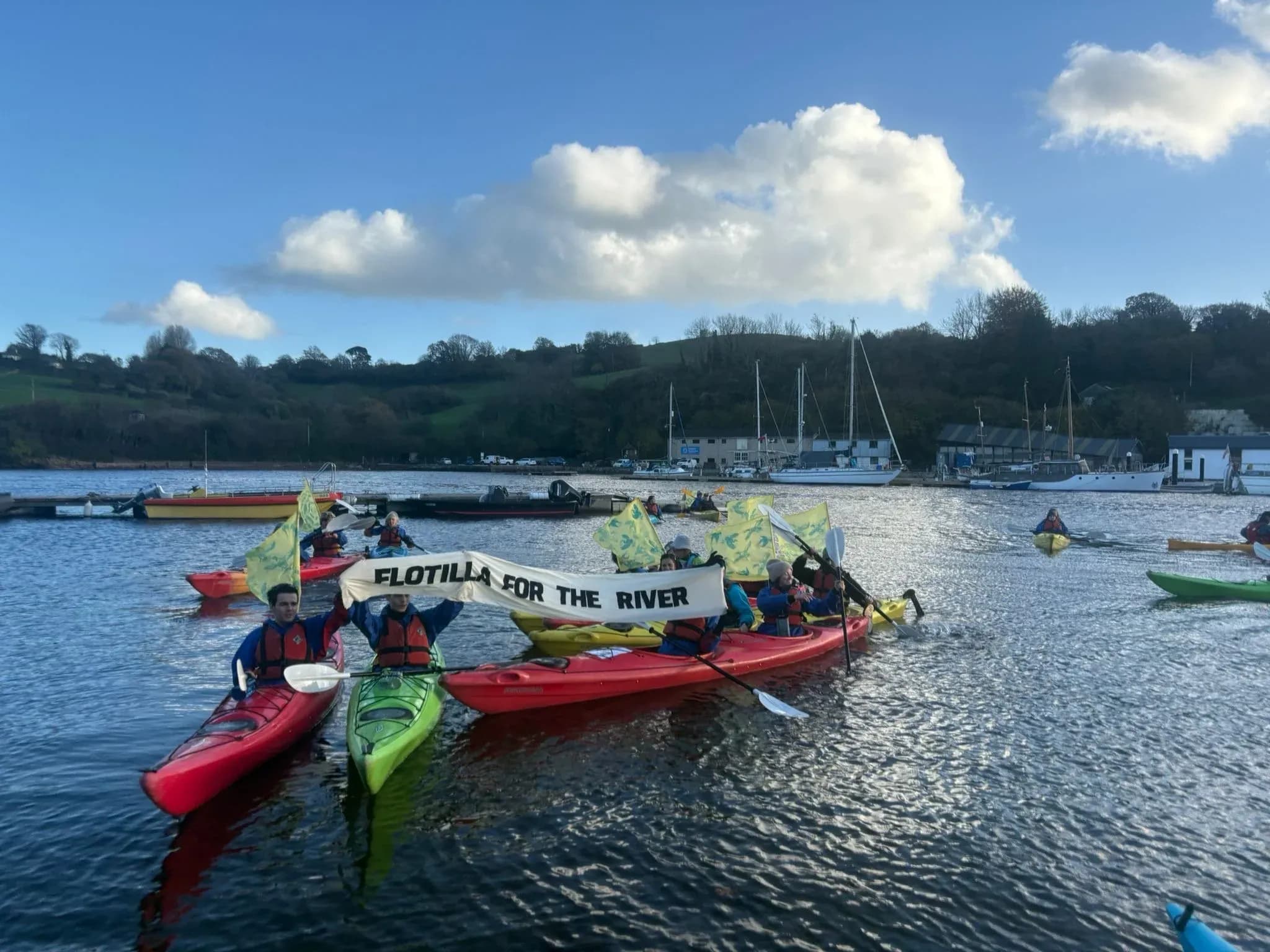
Friends of the Dart is fundraising for a programme to build a network of River Guardians across the Dart catchment. Each Guardian looks after their own stretch of river or tributary, and together they form a connected, catchment-wide network of informed community representatives.
Working with Friends of the Dart, Guardians strengthen the link between local communities and the river, and support our work to protect and improve water quality.
How it works
We hope to recruit Guardians in every parish along the Dart, each representing their local area. Guardians take part in in-person training workshops on spotting pollution, how to report it, and the main issues affecting river health.
Guardians are also the link between their community and Friends of the Dart, passing on local concerns, observations and priorities for the river.
What Guardians may do
Community engagement and awareness
Guardians help raise awareness of river health in their communities, with practical advice on how households and businesses can reduce their impact on the river. That might mean handing out information packs, sharing guidance on water use or septic tank care, and explaining our monitoring results and findings. Guardians may also connect with local groups, schools and parish councils, and help young people interested in river health become junior Guardians.
Useful guides: the Household River Care Manual and its page on septic tanks and off-mains homes.
River monitoring and reporting
On regular walks along their stretch of river or tributary, Guardians keep an eye out for signs of pollution or change, and report concerns to the Environment Agency, South West Water and Friends of the Dart. They may also join occasional catchment-wide activities, such as testing sweeps or investigations, and walk their section from time to time to track its condition and spot where more testing could help.
Read our pollution spotting guide (PDF), and see who to contact about pollution.
Events and communications
Guardians may help at community events, workshops and information stalls, raising awareness of our work. Local observations, stories and updates can feature in our newsletter and news, keeping the wider network informed. In conversations with neighbours, Guardians can suggest simple actions that help the river, from saving water to sorting out poorly maintained septic tanks or leaking pipes.
Why it matters
River Guardians will help build a clearer picture of the challenges facing the Dart and its tributaries, and give local communities an active role in protecting their river. Together, the network will give the Dart catchment a stronger, better-informed voice.
Interested in becoming a River Guardian?
Get in touch to find out more, or email hello@friendsofthedart.org.
Business Friends of the Dart
How businesses can help
Businesses and river users can become Business Friends of the Dart, supporting our work and the Guardian network.
Raise awareness
- Display posters, leaflets or QR codes that help people report pollution.
- Share our updates on social media, in newsletters or in store.
Support the cause
- Host a donation box or a micro-donation option.
- Pledge a portion of sales from a product, service or event to river health.
- Give a regular monthly, quarterly or annual contribution.
- Sponsor a project such as water testing, community events or educational outreach.
Take environmental action
- Review your operations for any waste or runoff that may affect the River Dart.
- Adopt sustainable practices and tell your customers about them.
What Business Friends of the Dart get
Recognition on our website and social media, custom graphics, opportunities to collaborate, training resources, and visibility as a business that cares for the river.
Become a Business Friend of the Dart
Tell us about your business and we’ll be in touch.
Friends of the Rivers
Friends of the Rivers is a framework other community groups can adopt to work together for river health: tackling sewage spills, setting up local chapters under one banner, running bacterial and chemical testing, sharing water quality data openly, involving stakeholders and communities, and advocating for legislative change with a unified message.