Campaigns · · 1 min read
The 20 Worst Sites for Sewage Spills on the River Dart
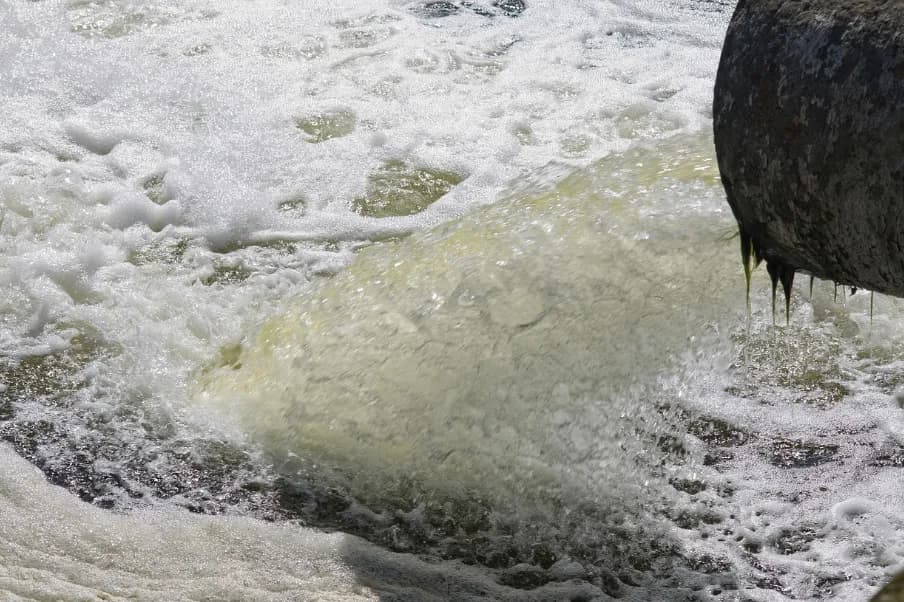
Despite rising public awareness and environmental concern, sewage spills continue to plague the River Dart. Data from 2023 paints a grim picture—and the figures for 2024 show no sign of real improvement.
Despite rising public awareness and environmental concern, sewage spills continue to plague the River Dart. Data from 2023 paints a grim picture—and the figures for 2024 show no sign of real improvement.

Same Sites, Same Problems
Almost every site that recorded sewage spills in 2023 has continued to spill into the Dart in 2024. The problem persists—and so do the polluting sites.
The Worst Offenders
While many locations are problematic, five sites stand out for the sheer scale and persistence of their spills:
- Harbertonford
- Princetown Combined Sewer Overflow (CSO)
- Kilbury
- Holne
- Princetown Sewage Treatment Works (STW)


Slight Improvements, But Nothing Meaningful
A handful of sites have shown slight reductions in spill hours, but the improvements are marginal at best.
Looking at the overall picture, spill hours show virtually no improvement from 2023 to 2024. The volume of pollution entering the Dart remains disturbingly consistent—in fact, we've seen an overall increase in the duration of recorded spills, despite public outcry and mounting pressure on water companies. We hope the 16 infrastructure updates scheduled for completion before 2030 will deliver significant improvements, and we're committed to tracking and mapping that progress. We are currently awaiting details of these sites and will share any updates as soon as they become available.
We welcome the expansion of outflow monitoring and are working toward greater transparency and collaboration with South West Water. The unanimous vote at the South Hams District Council Overview and Scrutiny meeting supporting our communication template marks an important step toward more robust monitoring. This transparency template is intended to ensure the public is kept informed, especially about updates to sites that are repeatedly spilling, helping to build accountability and trust.

Why This Matters
The River Dart is more than just a waterway. It’s a lifeline for wildlife, a playground for swimmers and kayakers, and a point of pride for Devon. Continued sewage pollution threatens all of that—and it tells a deeper story about environmental accountability in the UK.